Why Do Countertops Crack, Stain, or Separate at the Seams
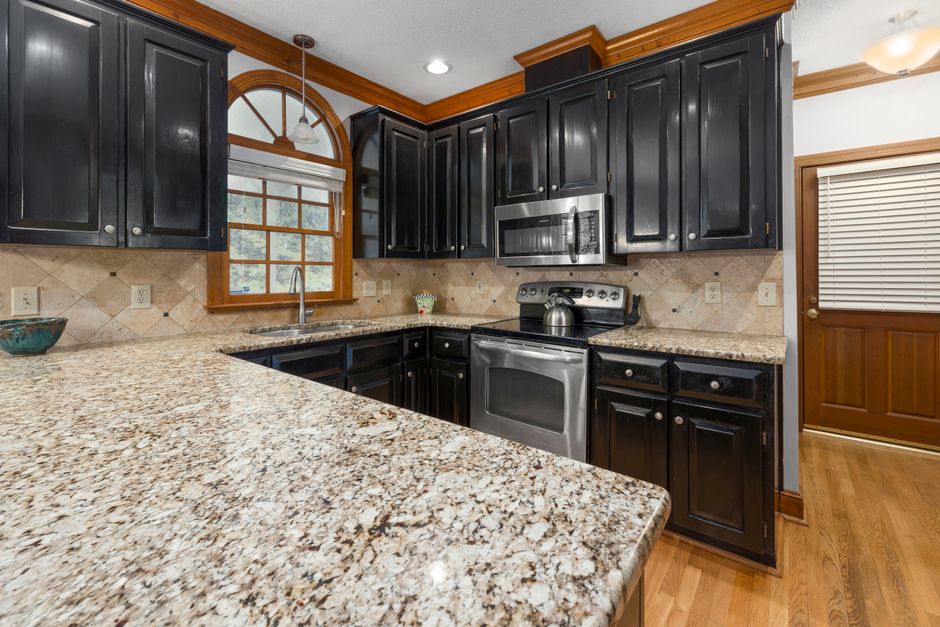
Three inches of stone is about what remains beside a sink cutout on many tops, and that narrow strip is where most cracks in Pensacola, FL kitchens begin, which matches the repair notes kept at countertops pensacola idvl on countertops that came back after a few years. The causes are mechanical and mostly repeat from house to house.
Cracks at the cutouts
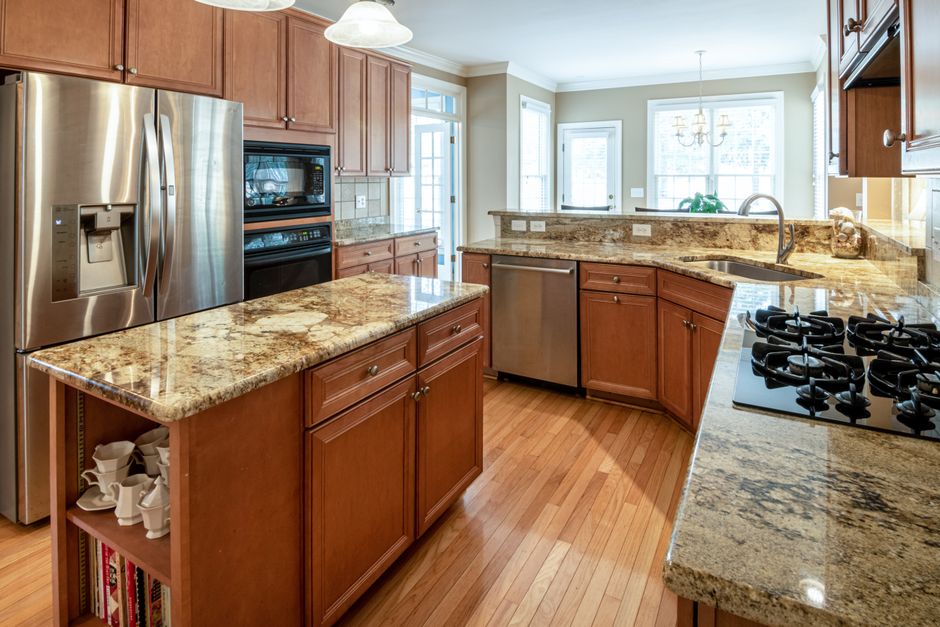
Stress gathers at the inside corners of sink and cooktop openings, where the remaining stone is thinnest. A square corner with no radius is worse than a rounded one. A granite or quartz slab can carry a lot of weight when it sits flat, but a person leaning on the front of a cutout while the cabinet below is out of level will find the weak point. Not every crack means a bad slab. Most trace back to support, templating, or handling.
Overhangs and uneven cabinets
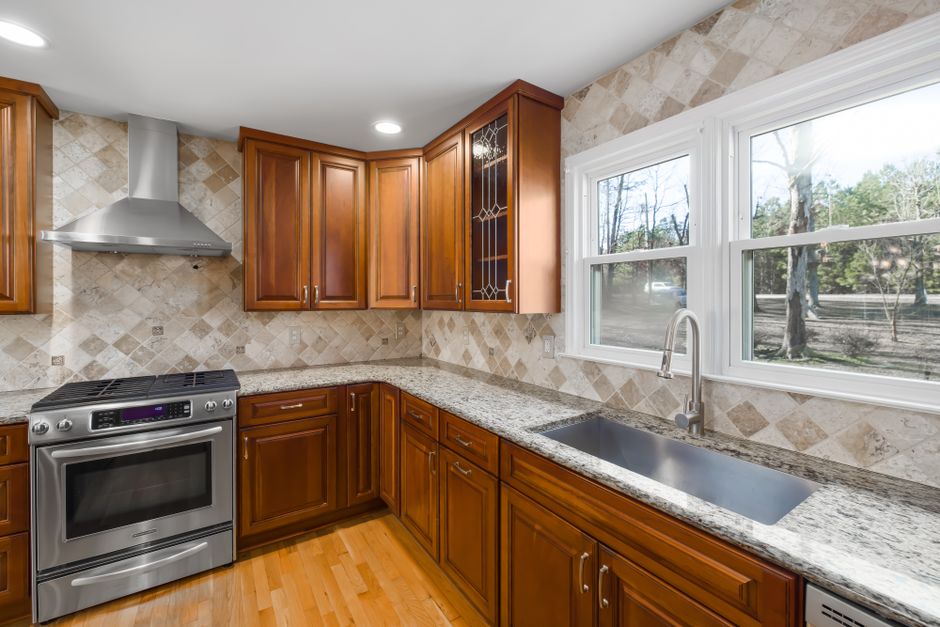
An overhang past the cabinet face with nothing under it puts a bending load on the stone. Stool seating on a long overhang is the usual case. Brackets or corbels fix that. Cabinets that are out of level cause the same trouble, because the slab bridges the low spots and flexes. Shimming the base before the top is set costs an hour and saves a crack later.
Heat damage
A hot pan set straight on quartz can scorch the resin and leave a pale or brown mark. On natural stone the risk is thermal shock, a crack from sudden uneven heating, and it is worse near a cold edge or a cutout. Trivets are cheap. Marble and soapstone take heat differently, but none of them like a pan off the burner placed beside the sink.
Stains, etching and chips
Oil and dark liquids darken porous granite or marble once the sealer has worn thin. That is a stain, and a poultice or a fresh seal often brings it back, so a stained top does not have to be replaced. Etching on marble is different. Acid from lemon, vinegar or wine eats the surface, and sealer does not stop it. Etch marks are dull spots that can be honed or polished. Chips on a bullnose or eased edge can often be filled with color matched epoxy and polished smooth, without pulling the top.
Seams, moisture and the dishwasher
Seam gaps usually come from cabinet movement, poor support under the seam, or adhesive that was not cured before the top took load. Good seam placement keeps joints away from the sink and the dishwasher. In humid homes near Pensacola Beach, failed caulk at the backsplash or sink lets water sit behind and under the top, which invites mildew and swelling in the core of laminate. Dishwasher steam also weakens laminate and particleboard from below unless a moisture barrier sits over the machine. Check the caulk line each spring and replace it when it pulls away.